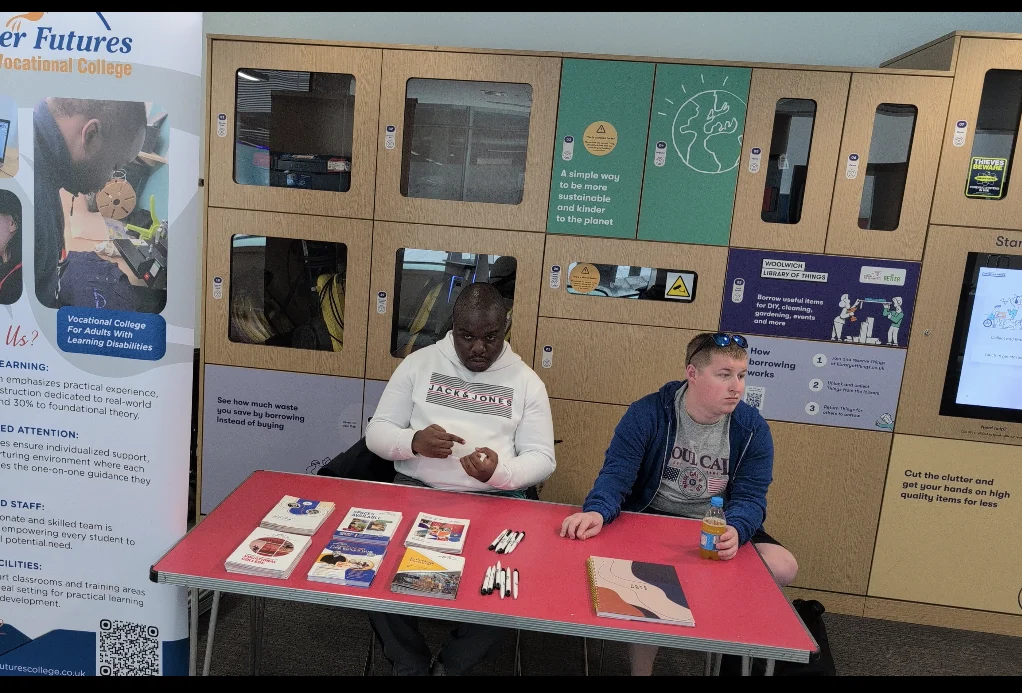
Choosing support is a big decision.
Come and see us.
You should be able to understand what your family member will do, how they will be supported, how the service communicates with you and what progress could look like before making a decision.
Safety, belonging, progress and a life with purpose.
How communication, sensory needs, routines and preferences are recognised.
How risks, safeguarding, health information and support needs are understood.
Whether the programme feels meaningful, adult, social and connected to their interests.
How goals are agreed, evidence is recorded and changes are reviewed.
Will my family member be understood?
We start by learning about the Learner: how they communicate, what they enjoy, routines that matter, sensory considerations, support needs and what they or the people around them would like to develop.
Is this like college?
No. Brighter Futures Life Skills is an adult Life Skills/day-opportunity service, not further education. The focus is practical everyday outcomes, participation, communication, wellbeing and independence.
What if they need more support?
Support is considered individually. We adapt activities, communication, pace and environment rather than assuming every Learner can participate in the same way. Suitability, risks and staffing requirements are discussed before a placement is agreed.
How will I know they are progressing?
Goals and review arrangements should be clear. We aim to show meaningful change through evidence of what a Learner did, the support required and whether that changes over time.
What if communication is difficult?
Speech is only one form of communication. We can work with information from families and professionals to understand signs, visuals, AAC, objects, behaviour, routines and other individual ways a Learner expresses preferences or needs.
Can we visit first?
Yes. We encourage prospective Learners and families to see the environment, meet the team and ask questions. Where appropriate, a taster can form part of the process before a start is agreed.
How is a place funded?
Funding arrangements can differ. Depending on circumstances this may involve local-authority support, direct payments or self-funding. Speak to us and the relevant social-care professional about the route appropriate to the Learner.
How are families involved?
Family knowledge can be extremely valuable. Involvement should reflect the Learner's wishes, consent/capacity arrangements and the responsibilities agreed as part of the placement.
Your journey to Brighter Futures.
Get in touch
Tell us who you are looking for support for.
Visit
Meet us and see the Hub.
Understand needs
We gather information about the Learner, strengths and intended outcomes.
Try it
Where appropriate, arrange a taster.
Plan
Agree support, attendance, goals and funding.
Start & review
Begin and review how the placement is working.
Information we will make clear before someone starts
Useful information
Explore the service information online and use the enquiry forms to discuss the next step.
Information for families and carers
Read about support, communication, funding routes and getting started.
Read the information →Arrange a visit
Meet the team and discuss whether the setting could suit the prospective Learner.
Arrange a visit →Ask about a Taster Day
Find out whether a taster could be a useful next step.
Ask about a taster →Start with a conversation.
Arrange a VisitSometimes the best way to decide is to experience it.
We offer Taster Days for prospective Learners as part of the journey into Brighter Futures. A taster provides an opportunity to meet the team, experience the environment, join suitable activities and begin to understand what attending Brighter Futures could feel like.
The aim is not to test whether somebody can complete an activity independently. We are looking at the whole person and what support could enable meaningful participation and progress.
Ask About a Taster Day